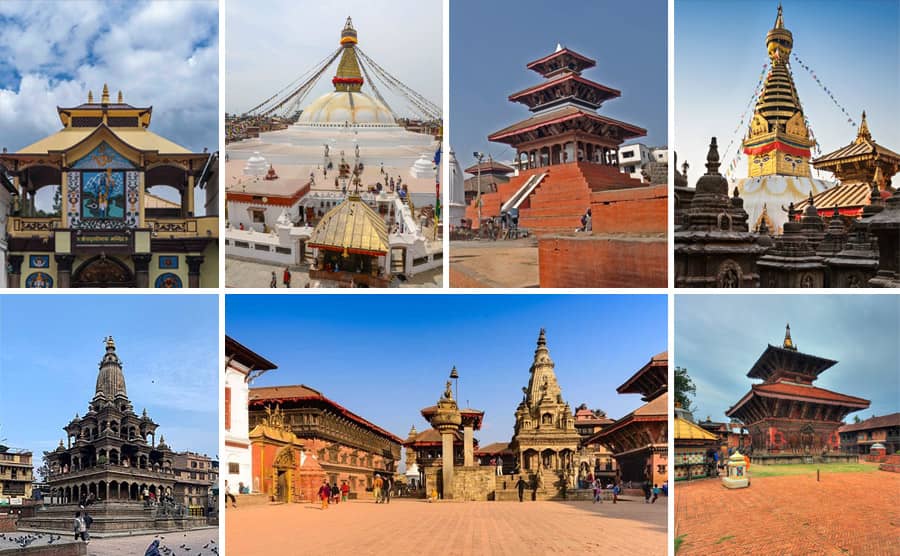

Pashupatinath Temple: Nepal's Most Sacred Hindu Pilgrimage Site
Pashupatinath Temple: Nepal's Most Sacred Hindu Pilgrimage Site
Pashupatinath Temple is one of the most revered Hindu temples in the world and a symbol of Nepal's rich spiritual heritage. Located in Kathmandu along the sacred Bagmati River, this ancient temple attracts millions of devotees, pilgrims, and travelers every year. Renowned for its religious significance, stunning architecture, and vibrant cultural traditions, Pashupatinath Temple remains one of the most visited landmarks in Nepal.
Whether you are seeking spiritual enlightenment, cultural exploration, or architectural beauty, a visit to Pashupatinath offers a unique glimpse into the heart of Hinduism and Nepalese tradition.
History of Pashupatinath Temple
The history of Pashupatinath Temple dates back more than a thousand years, although legends suggest its origins are much older. Dedicated to Lord Shiva, the temple has served as an important center of worship for centuries. Historical records indicate that the current temple structure was rebuilt during the 17th century after earlier structures were damaged over time.
The name "Pashupatinath" translates to "Lord of Animals," one of the many manifestations of Lord Shiva. According to Hindu mythology, Shiva once took the form of a deer and lived in the forests surrounding Kathmandu. This sacred legend contributes to the temple's immense religious importance.
Religious Significance of Pashupatinath Temple
Pashupatinath Temple is considered one of the holiest shrines dedicated to Lord Shiva. For Hindus, visiting the temple is believed to bring blessings, spiritual purification, and divine protection.
The temple also plays a significant role in Hindu funeral rites. Along the banks of the Bagmati River, cremation ceremonies are conducted according to ancient traditions. These rituals symbolize the Hindu belief in the cycle of life, death, and rebirth.
Many devotees visit the temple to offer prayers, seek spiritual guidance, and participate in religious ceremonies throughout the year.
Architectural Beauty of Pashupatinath
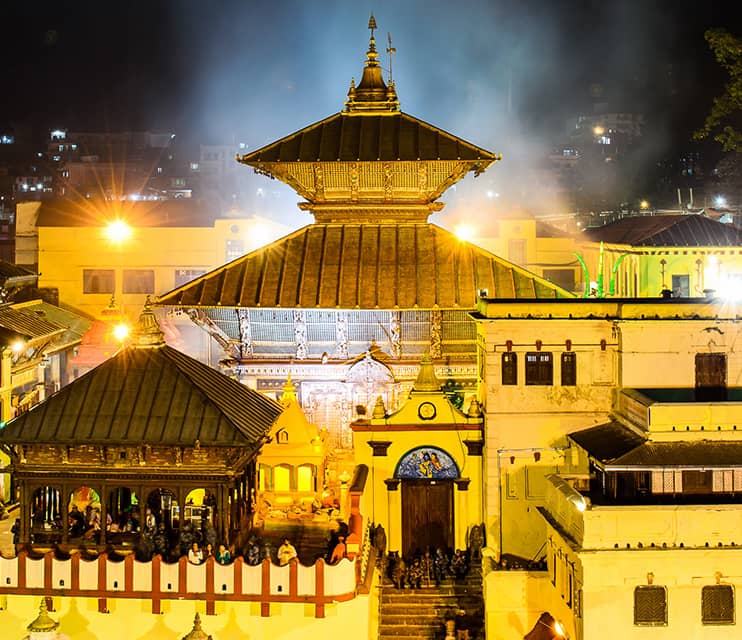
One of the most remarkable features of Pashupatinath Temple is its traditional Nepalese pagoda-style architecture. The temple is adorned with intricately carved wooden rafters, silver-plated doors, and a magnificent golden roof.
Inside the sanctum stands a sacred Shiva Lingam with four faces, each representing different aspects of Lord Shiva. The temple complex also includes numerous smaller shrines, statues, and courtyards that showcase Nepal's exceptional craftsmanship and artistic heritage.
The architectural elegance of the temple has earned it recognition as part of the Kathmandu Valley UNESCO World Heritage Site.
Major Festivals Celebrated at Pashupatinath Temple
Maha Shivaratri
Maha Shivaratri is the most important festival celebrated at Pashupatinath Temple. Every year, hundreds of thousands of devotees from Nepal, India, and other countries gather to honor Lord Shiva. The temple comes alive with prayers, devotional songs, and religious ceremonies throughout the night.
Teej Festival
Teej is another major festival observed at Pashupatinath. During this celebration, women gather at the temple to pray for the well-being and longevity of their husbands and families. The event is marked by traditional attire, fasting, singing, and dancing.
Bala Chaturdashi
This important Hindu festival commemorates deceased loved ones. Devotees scatter sacred seeds around the temple grounds and offer prayers for departed souls.
Things to See at Pashupatinath Temple
Visitors can explore several attractions within the temple complex, including:
-
The Main Pashupatinath Temple
-
Sacred Cremation Ghats along the Bagmati River
-
Numerous Shiva Shrines and Temples
-
Statues and Ancient Sculptures
-
Traditional Nepalese Architecture
-
Sadhus and Holy Men Performing Religious Practices
-
Evening Aarati Ceremony on the Riverbank
The evening Aarati is particularly captivating, featuring devotional chanting, music, and ceremonial lamps offered to the river.
Best Time to Visit Pashupatinath Temple
The ideal time to visit Pashupatinath Temple is between October and April when the weather is pleasant and skies are generally clear. Early mornings provide a peaceful atmosphere for worship and photography.
Visitors interested in experiencing Nepal's vibrant religious culture may choose to visit during Maha Shivaratri, although crowds are significantly larger during this period.
Travel Tips for Visitors
-
Dress modestly and respectfully.
-
Remove shoes before entering designated temple areas.
-
Photography may be restricted in certain sections.
-
Arrive early to avoid large crowds.
-
Respect ongoing religious ceremonies and local customs.
-
Hire a knowledgeable guide to learn about the temple's history and significance.
Why Pashupatinath Temple is a Must-Visit Destination
Pashupatinath Temple is far more than a tourist attraction. It is a living spiritual center where centuries-old traditions continue to shape daily life. From its sacred rituals and magnificent architecture to its deep cultural significance, the temple offers visitors an unforgettable experience.
Whether you are a pilgrim seeking blessings or a traveler exploring Nepal's heritage, Pashupatinath Temple stands as a timeless reminder of faith, devotion, and history.
Conclusion
Pashupatinath Temple remains one of the most iconic landmarks in Nepal and one of the most important Hindu pilgrimage sites in the world. Its spiritual atmosphere, historical importance, and architectural beauty make it a destination that leaves a lasting impression on every visitor.
A journey to Pashupatinath is not simply a visit to a temple—it is an opportunity to experience the living traditions, culture, and spirituality that define Nepal.
Posted in : Places - 3 years ago
Latest News & Updates
Recent Posts
Contact US
24/7 For Bookings, Queries, Or Special
Requests
— Talk To Us.
